Renting out a property in Scotland can be a lucrative investment, but it also comes with a range of responsibilities and legal obligations. Whether you are new to the landlord game or an experienced property owner, not only does it help you meet regulatory requirements but also ensures compliance, safeguards your property investment, and provides a positive experience for your tenants. Here’s a comprehensive landlord checklist to guide you through the process of renting out your house in Scotland.
Understanding Your Responsibilities as a Landlord
Before diving into the specifics, it’s crucial to understand the obligations that come with being a landlord in Scotland. The law mandates certain requirements, and failing to adhere to them can lead to hefty fines and legal troubles. The following points outline the key landlord responsibilities checklist:
- Registering as a landlord with your local council
- Ensuring the property is safe and habitable
- Providing essential documentation to tenants
- Maintaining the property and addressing repairs promptly
Step 1. Legal Requirements for Landlords in Scotland

Before renting out your property, it’s crucial to ensure that you are legally compliant. Scotland has specific laws and regulations that landlords must adhere to, which are different from those in the rest of the UK.
a) Landlord Registration
All landlords in Scotland are legally required to register with the local council where their property is located. This process, mandated under the Antisocial Behaviour Etc. (Scotland) Act 2004, ensures that landlords are deemed “fit and proper” to let out properties. Registration is crucial for maintaining high standards in the private rental sector and safeguarding tenants’ rights.
How to Register as a Landlord
To register, visit the Scottish Landlord Register website. The process involves providing accurate details about yourself and your property.Key Details to Note:
- Registration Fee: Costs vary by council, starting at £66, with discounts available for landlords managing multiple properties.
- Renewal: Registrations must be renewed every three years to remain compliant.
- Penalties: Failing to register can result in a fine of up to £50,000 and a ban from letting property.
b) Auction Property Must Meet Repairing Standards
As a landlord in Scotland, your property must comply with the repairing standard provided in the Housing (Scotland) Act 2006. It provides tenants with a safe and comfortable environment. The key necessities include;
- Reliable and safe heat system
- Proper ventilation as well as sufficient insulation
- No dampness or mold growth in the structure
- Safe electric wiring and appliances as well as noiseless electric operation
- The smoke and heat detectors are both functional.
- Meeting these standards fulfils your legal obligations and enhances tenant satisfaction and safety.
c) Energy Performance Certificate (EPC)
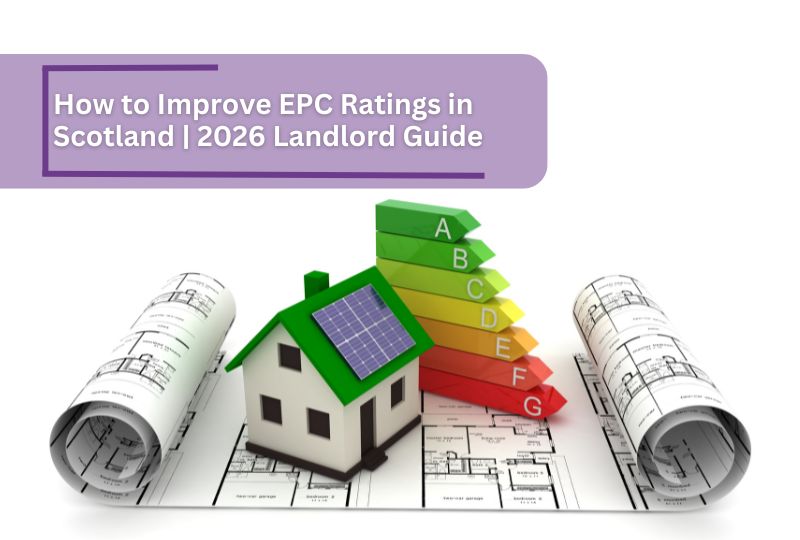
Before advertising your property, you must obtain an Energy Performance Certificate (EPC). This certificate rates the energy efficiency of your property on a scale from A (most efficient) to G (least efficient) and provides recommendations for improvements.
Key Points to Remember:
- Requirement: Provide the EPC to tenants before they move in.
- Validity: The certificate is valid for 10 years.
- How to Get It: Hire an accredited assessor to inspect your property.
- Tip: A higher energy efficiency rating can make your property more appealing to tenants by lowering utility costs and demonstrating environmental responsibility.
d) Gas Safety Certificate
If your property has gas appliances, you must have a Gas Safety Certificate. A Gas Safe registered engineer must inspect all gas appliances and installations annually. Read more on the essential safety certificate requirements for landlords to ensure you meet all necessary compliance standards.
Penalty: Non-compliance could result in fines or other legal action.” using this makes another.
e)Electrical Safety Standards
As a landlord, you are expected to be sure that the electrical installations and appliances within your property are safe.
Requirements:
- Inspection: All electrical installations should be inspected every five years by a qualified electrician.
- Appliance Testing: Do Portable Appliance Testing for any appliances that are being provided to a tenant.
- Tenant Documentation: Provide tenants with an Electrical Installation Condition Report (EICR).
f) Smoke and Carbon Monoxide Alarms
Scottish law requires landlords to install safety alarms to protect tenants from fire and carbon monoxide risks.
- Smoke Alarms: Interlinked smoke alarms must be installed in living rooms and hallways on every floor.
- Heat Alarm: A heat alarm is required in the kitchen.
- Carbon Monoxide Detectors: Install a carbon monoxide detector near boilers or fuel-burning appliances.
All alarms must be hard-wired or equipped with long-life, tamper-proof batteries to ensure continuous operation. Ensuring these installations keep your property safe and compliant with legal standards.
g) Legionella Risk Assessment
Landlords are responsible for assessing the risk of legionella bacteria in the water systems of their properties. While a professional is not required to carry out this check, it is recommended that you keep a record of your risk assessment.
Also, Check Out: A Landlord Compliance Checklist Property
Step 2: Preparing Your Property for Tenants

Once you meet the legal requirements, it’s time to prepare the property for tenants. A well-maintained house not only attracts better tenants but can also justify a higher rent.
a) Clean and Tidy
Cleaning the property thoroughly before tenants move in is essential. This includes:
- Deep cleaning carpets and floors.
- Cleaning all kitchen appliances, windows, and fixtures.
- Ensuring the garden or outdoor space is well-maintained.
b) Repairs and Maintenance
Fix any outstanding repairs before tenants move in, whether it’s a leaky tap or faulty wiring. If the property is in good repair, tenants are more likely to care for it properly.
c) Furnish or Unfurnished?
Decide whether you’ll rent out your property furnished or unfurnished. If furnished, ensure all furniture meets fire safety standards. Unfurnished properties generally appeal to long-term tenants, while furnished ones attract short-term renters. Adding the pros and cons of renting furnished vs. unfurnished properties to your landlord checklist can help you evaluate which option aligns best with your rental strategy.
Tip: Offering a mix of both can make your property more versatile and appealing to a wider audience.
d) Financial Considerations
Understand the financial implications of renting, such as informing your mortgage lender, setting a competitive rent price, and obtaining comprehensive landlord insurance.
Also Read Blog: Guide for Renting Out a Property for the First Time
Landlord Checklist for Renting a House Template | PDF file
Step 3. Marketing Your Rental Property

Once your property is ready, it’s time to find the right tenants. A well-marketed property will rent faster and for a better price.
a) High-Quality Photos
First impressions matter! Ensure you take high-quality photographs of your property. Professional photography can significantly increase the number of inquiries.
b) Write an Engaging Listing
Your property listing should be informative and engaging. Highlight its best features, such as proximity to public transport, energy efficiency, or modern amenities.
If you’re also considering expanding your portfolio, take a look at our guide on commercial property investment for insights into maximizing returns in Scotland’s thriving property market.
c) Use Multiple Platforms
Advertise your property on multiple platforms to increase exposure. Websites like Rightmove, Zoopla, and Westport Property‘s platform are excellent for reaching a broad audience.
Step 4: Tenancy Agreement and Documentation

A tenancy agreement is a legally binding contract between you and your tenant, and it sets out the terms and conditions of the tenancy.
a) Drafting a Tenancy Agreement
In Scotland, all new tenancies are Private Residential Tenancies (PRTs). A lease or rental agreement outlines the rights and responsibilities of both parties.
b) Tenancy Deposit
Protect your tenant’s security deposit in a government-approved scheme, and ensure it doesn’t exceed two months’ rent.
c) Inventory and Condition Report
A detailed inventory and rental inspection report, including photographs, and documents of the property’s condition at the start of a tenancy, helps prevent disputes over damages or repairs later when the tenancy ends.
Step 5: Ongoing Management During the Tenancy
Regular property inspections help you maintain your property and ensure that tenants are adhering to the terms of the tenancy agreement.
a) Regular Inspections
Schedule inspections every 6 months (with adequate notice to the tenant). This will help you identify minor issues before they become significant problems.
b) Emergency Repairs
Under Scottish law, landlords are responsible for carrying out necessary repairs in a timely manner. Failure to do so can result in the tenant seeking redress through the First-tier Tribunal for Scotland (Housing and Property Chamber).
c) Maintain Open Communication
Foster a positive relationship with your tenants through clear communication, responding promptly to queries or concerns, and keeping them informed about any planned works or changes.
Also Read: Top 10 Essential Items to Include in Your Landlord Inspection Checklist
Conclusion
Being a landlord in Scotland involves a multitude of responsibilities, from legal compliance to property management. By following this comprehensive landlord checklist, you can navigate the rental process with confidence and efficiency, ensuring that your rental property is compliant with Scottish law and a place where tenants feel at home.
Have A Question or Need Some Help?
Whether you're searching for the perfect rental property or a landlord wanting advice on letting, we're here to assist. Feel free to call our office or send us an email, and we'll be happy to help you with any queries you may have.
FAQs:
What are the right to rent checks?
Right to rent checks are legal obligations requiring landlords to verify that tenants have the legal right to live in the country. This involves checking and retaining copies of identity and residency documents.
Can a landlord give a bad reference?
Yes, but it must be truthful and based on factual information, such as rent payment history or property condition during the tenancy. Misleading or false references can lead to legal issues.
What do landlords need for rent?
Landlords need a signed tenancy agreement, proof of compliance with safety standards (e.g., gas safety certificate, electrical safety report), an Energy Performance Certificate (EPC), and a detailed inventory report.
 Find a Property Sale/Rent
  Property Management
  Tenant Background Screening
  Asset Management