Becoming a landlord can be a great way to generate a second income, with many people now renting out properties part-time to supplement their earnings. However, managing a rental property involves more than just finding tenants and collecting rent. There are numerous legal obligations that landlords must comply with to ensure the safety and wellbeing of their tenants, and failure to do so can lead to hefty fines, or worse.
According to recent studies, a significant number of landlords in the UK manage their properties themselves without fully understanding the legal requirements. In fact, it’s estimated that hundreds of thousands of rental properties haven’t undergone essential checks, such as gas safety inspections, within the last 12 months. This puts landlords at risk of fines up to £20,000 or even legal prosecution.
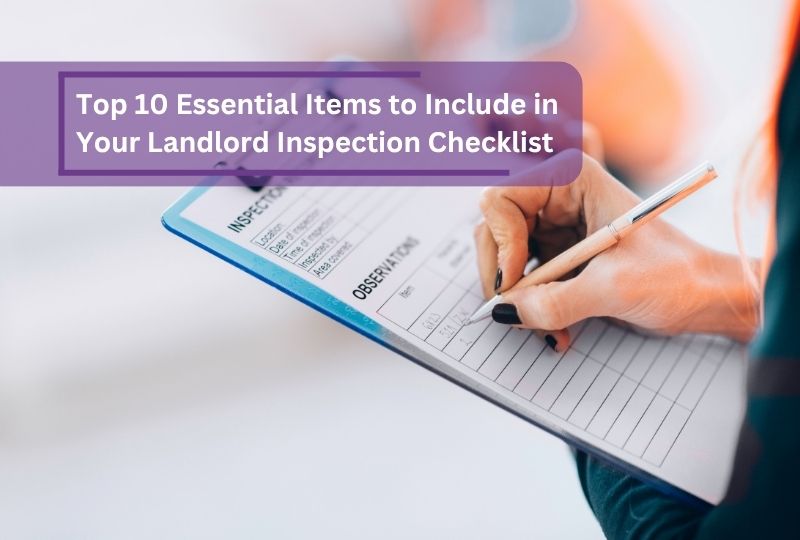
To avoid these costly mistakes, it’s crucial for landlords—whether seasoned or first-timers—to conduct regular property inspections. These inspections help ensure your property meets safety regulations, is well-maintained, and allows you to address any issues before they escalate. In this guide, we’ll walk you through the top 10 essential items every landlord should include in their landlord inspection checklist, helping you stay compliant and safeguard your investment.
Why Use a Property Inspection Checklist for Renting a House?
Using a landlord checklist for renting a house in the UK offers several benefits:
A. Ensures Property Condition Documentation
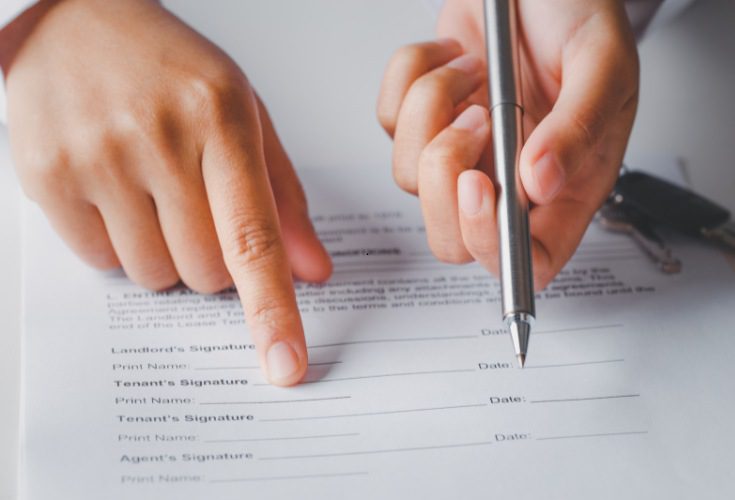
Documenting the condition of your property before, during, and after a tenancy protects both parties. Having a detailed document to rent a property that includes an inspection report helps to avoid disputes by providing clear evidence of any damage beyond normal wear and tear, which may impact your landlord’s insurance claims if not recorded properly.
B. Helps Prevent Disputes Over Damages
A thorough checklist records the property’s condition, helping to clarify responsibility for any damage. This can simplify end-of-tenancy negotiations and streamline the return of deposits.
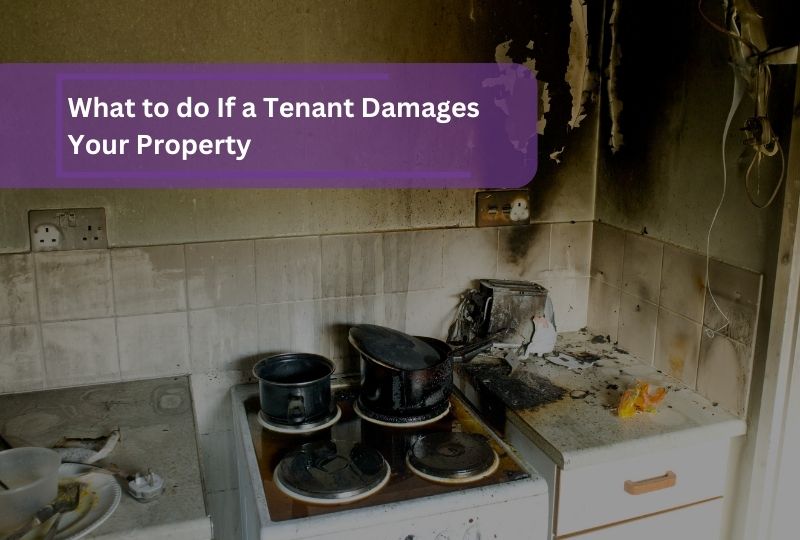
Also Read: What to do if a tenant damages your rental property?
C. Assists in Maintaining Property Value
Regular inspections ensure your property remains in good condition. By addressing issues early, you prevent long-term damage, ultimately preserving or even increasing your property’s value.
Top 10 Essential Items for Your Landlord Inspection Checklist
1. Structural Integrity
| A. Foundation | Check for any cracks, uneven settling, or moisture around the foundation. Foundation problems can lead to serious structural damage if left unchecked. |
| B. Walls and Ceilings | Look for signs of dampness, mold, or cracks in walls and ceilings. These issues can signal structural damage or leaks that require attention. |
| C. Roof Condition | Ensure the roof is free of missing or broken tiles and leaks. Regular roof inspections can prevent costly water damage to the interior of your property. |
2. Safety Features
| A. Smoke and Carbon Monoxide Detectors | Make sure smoke and carbon monoxide detectors are installed and functioning properly. These are legally required in rental properties and crucial for tenant safety. |
| B. Fire Extinguishers | Check that fire extinguishers are accessible and in working order. While not legally required in all homes, having them is a responsible safety measure. |
| C. Emergency Exits | Ensure all emergency exits are clearly marked and accessible. This includes checking that windows and doors open easily and meet safety standards. |
3. Plumbing Systems
| A. Pipes and Fixtures | Inspect the plumbing system for leaks, rust, or water stains around pipes and fixtures. Issues here can lead to water damage and costly repairs if not addressed promptly. |
| B. Water Pressure | Check the water pressure in all taps and showers. Low water pressure may indicate a larger plumbing issue. |
| C. Drainage | Ensure that all sinks, toilets, and drains are working efficiently, with no signs of blockages or slow drainage. |
4. Electrical Systems
| A. Wiring | Inspect visible wiring for any signs of wear, fraying, or damage. Faulty wiring can pose serious safety risks, including fire hasards. |
| B. Outlets and Switches | Test all outlets and switches to ensure they function properly and meet safety standards. Replace any damaged or loose outlets immediately. |
| C. Circuit Breakers | Check the circuit breaker panel for any issues and ensure it’s properly labeled. Any tripped breakers or blown fuses could signal electrical problems. |
5. Heating, Ventilation, and Air Conditioning (HVAC)
| A. Furnace or Boiler | Inspect the furnace or boiler for signs of wear, leaks, or inefficiency. Regular servicing can extend the lifespan of your heating system. |
| B. Air Conditioning Units | Ensure air conditioning units are functioning and well-maintained. Poor ventilation can affect tenant comfort and lead to increased energy costs. |
| C. Thermostats | Check that all thermostats are working accurately, allowing tenants to control heating and cooling systems as needed. |
6. Windows and Doors
| A. Locks and Security Features | Make sure all windows and doors are secure with functional locks. This is vital for both security and tenant peace of mind. |
| B. Weatherstripping | Inspect weatherstripping around windows and doors to ensure it’s intact. Damaged weatherstripping can lead to drafts and increased heating costs. |
| C. Glass Condition | Check for any cracks or chips in windows and replace damaged panes as needed. |
7. Flooring
| A. Carpet Condition | Examine carpets for stains, tears, or excessive wear. Regular cleaning and maintenance will extend their lifespan. |
| B. Hardwood or Tile Integrity | Check hardwood or tile floors for scratches, cracks, or other damage. Proper care can help avoid costly repairs. |
| C. Subfloor Issues | Inspect for any sagging or squeaking floors, which could indicate problems with the subfloor that need attention. |
8. Appliances (If Provided)
| A. Refrigerator | Ensure the refrigerator is clean and functioning properly. Check the seals and temperature settings to ensure food is being stored safely. |
| B. Oven and Stove | Inspect the oven and stove for cleanliness and proper operation. Any signs of wear or malfunction should be addressed. |
| C. Dishwasher and Washing Machine | Check that all appliances are functioning and free of leaks or blockages. |
9. Exterior Conditions
| A. Landscaping | Ensure that the garden and landscaping are well-maintained. Overgrown plants or dead trees can affect curb appeal and cause damage to the property. |
| B. Driveway and Walkways | Check for any cracks, uneven surfaces, or trip hasards on driveways and walkways. |
| C. Exterior Paint or Siding | Inspect the exterior paint or siding for signs of wear, peeling, or damage. Regular upkeep is crucial to protecting the property from weather-related damage. |
10. Pest Control
| A. Signs of Infestation | Check for any signs of pests, including rodents, insects, or birds. An infestation can cause significant damage and health risks if left untreated. |
| B. Preventive Measures | Ensure that preventive measures, such as sealed cracks and secure garbage storage, are in place to deter pests. |
| C. Treatment History | Review any past pest control treatments and schedule future treatments if necessary. |
Creating Your Landlord Inspection Checklist: Tips

Here are a few tips to keep in mind while creating your landlord inspection checklist:
A. Customising the Checklist for Your Property
Every property is different, so tailor your checklist to the specific needs of your rental. Incorporate pre-tenancy checks to address potential issues before tenants move in.
B. Digital vs. Paper Checklists
Consider using a digital checklist for convenience, as it can easily be updated and shared. Paper checklists also work but may be less efficient for long-term record-keeping.
Landlord property inspection checklist format
https://www.newham.gov.uk/downloads/file/849/propertyinspectionchecklist
C. Frequency of Inspections
Regular inspections, conducted every six months or at the end of a tenancy, can help identify potential issues early and keep your property in top condition. Scheduling periodic inspections is key to maintaining compliance and tenant satisfaction.
D. Stay Compliant
Make sure your Landlord Compliance Checklist includes key certifications like the CP12 (Gas Safety Certificate), EICR (Electrical Installation Condition Report), EPC (Energy Performance Certificate), and other mandatory safety measures such as smoke and heat alarms, Legionella risk assessments, and PAT (Portable Appliance Testing). These items are critical for ensuring your property meets legal requirements and protects tenant safety.
Best Practices for Conducting Property Inspections
Conducting property inspections requires careful planning and clear communication with tenants. Here are the best practices for conducting property inspections:
A. Giving Proper Notice to Tenants
Landlords are required to give tenants at least 24 hours’ notice before an inspection. Be mindful of tenant privacy and schedule inspections at a convenient time.
B. Documenting with Photos and Videos
Use photos and videos to supplement your checklist. Visual documentation provides strong evidence in case of disputes and helps track the property’s condition over time.
C. Addressing Issues Promptly
Any problems identified during the inspection should be addressed as quickly as possible to prevent further damage and ensure tenant satisfaction.
Also, take a look at our blog on essential landlord safety certificate requirements.
What to do if a tenant refuses entry for an inspection?
If you are refused access by a tenant for an inspection, here’s what you can do:
- Review the Lease Agreement – Look at the lease and see if it specifies entry conditions to ensure that you are following the rules.
- Speak Politely – Kindly remind the tenant of his/her obligation and the importance of the inspection.
- Provide Proper Notice – Double-check that you’ve given at least 24 hours written notice as required by law.
- Offer Flexibility – Offer alternative dates or times to accommodate the tenant’s schedule.
- Explain Legal Rights – Inform the tenant that landlords legally are entitled to enter with notice.
- Employ Mediation – If tension arises between you and the tenant, invite a neutral third party to resolve the matter.
- Legal Action as a Last Resort – If there is persistent refusal by the tenant, seek guidance from legal experts on obtaining a court order
Conclusion
A thorough and well-organised landlord inspection checklist is a powerful tool for managing your property effectively. By regularly inspecting your property and addressing maintenance issues proactively, you can prevent small problems from becoming costly repairs, safeguard your property’s value, and ensure a positive experience for your tenants. It also helps to comply with legal requirements, especially in the UK, where regulations such as the Gas Safety Certificate, Energy Performance Certificate, and Electrical Installation Condition Report are mandatory.
Routine inspections not only protect your investment but also foster trust and transparency with tenants, reducing the likelihood of disputes over deposits or damages. Landlords must understand their obligations, including compliance with local housing standards set by local authorities. For landlords in Dundee and surrounding areas, Westport Property can help simplify the process of managing your commercial and residential properties. Whether you need assistance with property inspections, finding tenants, or maintaining legal compliance, our team of professionals is here to support you. Contact Westport Property today to learn more about our comprehensive property management services. Let us help you take the stress out of property management and ensure your investment stays in excellent condition year-round.
Have A Question or Need Some Help?
Whether you're searching for the perfect rental property or a landlord wanting advice on letting, we're here to assist. Feel free to call our office or send us an email, and we'll be happy to help you with any queries you may have.
FAQs About Landlord Inspections
What to look for when doing a property inspection?
When conducting a property inspection, focus on key areas such as structural integrity, plumbing, electrical systems, roof condition, and HVAC systems. Additionally, check for signs of dampness, mould, pests, and ensure that the property’s fixtures and fittings are in good condition. It's important to make sure the property is safe, clean, and functional.
Can a landlord take photos during an inspection in the UK?
Yes, in the UK, landlords can take photos during property inspections, but they must inform the tenant beforehand. The photos should focus on the property's condition, not personal belongings, and must be used for legitimate purposes, such as documenting the property's state. Landlords must also respect tenant privacy.
Does my house have to be spotless for inspections?
While your house doesn’t need to be spotless, it’s important to make sure it’s in good condition—clean and tidy. Focus on key areas like the kitchen, living room, and bathroom, and pay special attention to things like plumbing, electrical systems, and general upkeep to avoid missing any potential issues.
What does a landlord inspection look for?
A landlord inspection typically focuses on the overall condition of the property, including property maintenance, checking for damage, cleanliness, wear and tear, and ensuring everything is in good working order. It also includes assessing the functionality of systems and appliances, identifying potential maintenance needs, and ensuring compliance with lease terms, as well as adherence to safety standards and local regulations.
Why are checklists used in inspections?
Checklists are used in property inspections to ensure consistency, completeness, and accuracy by providing a structured, standardized approach. They help thoroughly assess all areas of the property, offering a consistent record of its condition and ensuring nothing is missed. Checklists also help both tenants and landlords track repairs and maintenance needs, reducing the risk of overlooking crucial steps or details.
What is the biggest red flag in a home inspection?
The biggest red flags in a home inspection involve structural issues, such as cracks in the foundation, roof problems, and water damage. These issues can be costly to repair and may indicate larger underlying problems, along with potential electrical issues and foundation concerns.
How much notice does a landlord need to give for an inspection in Scotland?
In Scotland, a landlord must give at least 24 hours' notice before carrying out an inspection of the property. This notice can be given in writing, and the inspection must be carried out during reasonable hours, typically between 8 am and 8 pm.
Can I refuse a property inspection?
While tenants cannot refuse an inspection outright, they do have the right to reasonable privacy and the right to request an inspection at a more convenient time within the notice period. If you feel the inspection is unjustified or is not in accordance with the law, you may discuss your concerns with the landlord. However, a tenant should not unreasonably refuse entry when the correct notice has been given.
What is the purpose of an inspection?
The purpose of a landlord inspection is to ensure the property is being maintained in good condition, to check for any repairs or safety concerns, and to confirm that the terms of the lease are being upheld. It helps landlords ensure their property is well-cared for while also addressing any issues that may arise during the tenancy.
 Find a Property Sale/Rent
  Property Management
  Tenant Background Screening
  Asset Management