Have you ever felt frustrated when maintenance requests pile up, leading to tenant dissatisfaction and unexpected repair bills? Over the years, I’ve seen many property owners struggle to manage maintenance and repair requests promptly, which leads to tenant dissatisfaction, increased property damage, and expensive emergency repairs. From my experience, I’ve found that having a smooth maintenance process is the answer to keeping your properties in optimal condition.
Whether you manage properties in Scotland or anywhere else, timely and efficient handling of maintenance issues can prevent small problems from escalating into costly repairs and improve tenant satisfaction. However, handling repairs, scheduling contractors, and ensuring compliance with legal obligations can be time-consuming and stressful. In this guide, I will walk you through the process of handling property maintenance requests effectively, optimising your maintenance processes, keeping your tenants happy and your properties in prime condition.
Understanding the Importance of Property Maintenance
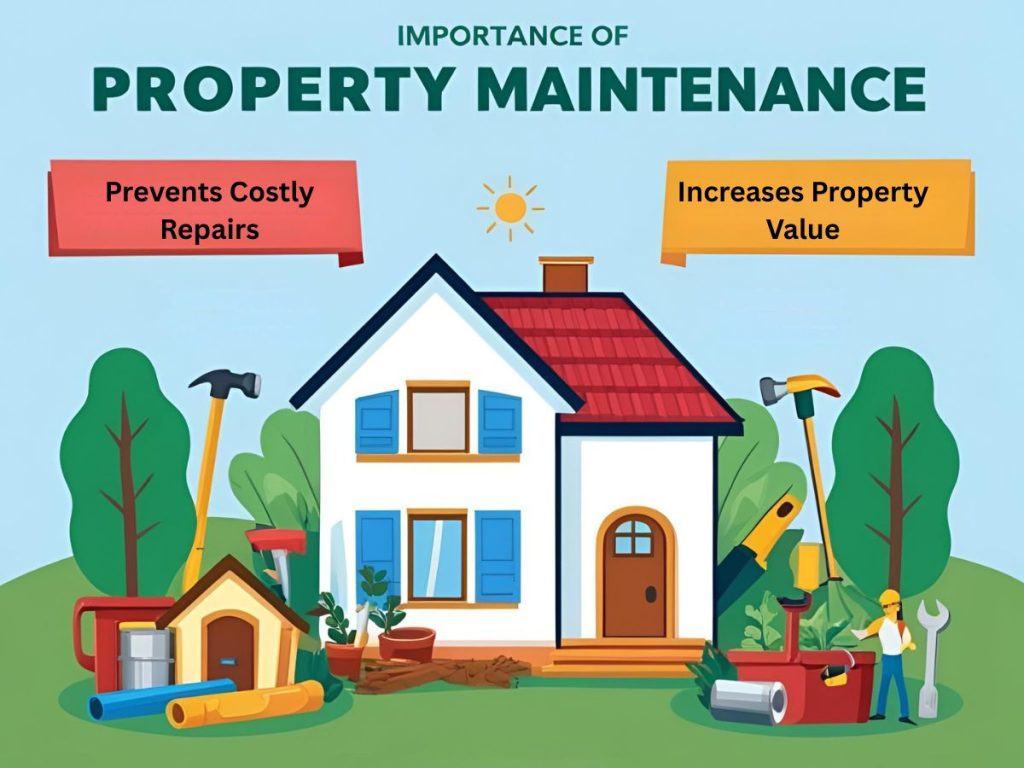
Property maintenance is a crucial aspect of property management that ensures tenant satisfaction and preserves the value of real estate assets. It’s not just about fixing problems when they arise, it’s about creating a proactive strategy to ensure that the property remains in good condition and continues to provide value over time. Here are the key reasons why Property Maintenance is essential:
- Prevents Costly Repairs: Maintenance helps detect minor issues early before they escalate into costly repairs.
- Improves Safety: Proper maintenance reduces the risk of accidents, offering a safer living environment for tenants.
- Boosts Tenant Satisfaction: Well-maintained properties are easily occupied and retained by tenants, leading to improved tenant satisfaction.
- Increases Property Value: Proper maintenance keeps or even increases the value of the property in the long term.
- Boosts Reputation: A well-maintained property enhances a landlord’s reputation, attracts eco-conscious tenants, and sets the property apart in a competitive market.
- Long-Term Profitability: Good maintenance leads to long-term profitability and savings by avoiding expensive repairs and maintaining high occupancy rates.
How to handle property maintenance and repair requests?
Property maintenance and repair requests are not just about fixing issues as they arise; it’s about staying proactive, informed, and prepared to handle repairs efficiently. Here’s how to handle maintenance and repair requests effectively:
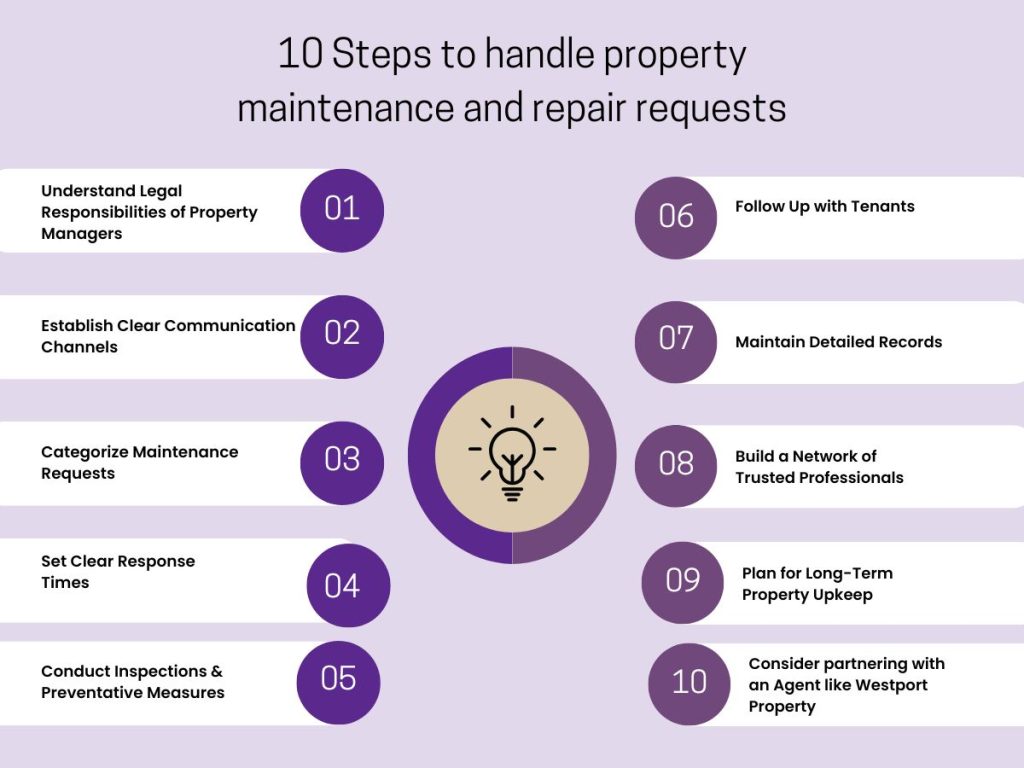
1. Understand the Legal Responsibilities of Property Managers
If you are a landlord in Scotland, you must meet the Repairing Standard, a minimum standard of repair that all privately rented properties must maintain. This means that the property must be wind—and watertight, well-ventilated, and have working installations for the supply of water, gas, electricity, and heating. Additionally, properties must meet the Tolerable Standard, which sets out the basic requirements for a house to be considered habitable.
2. Establish Clear Communication Channels
As a landlord, it’s important to provide tenants with easy and convenient means of reporting maintenance issues. By implementing systems like dedicated phone lines, online portals, or email/text options, you make it easier for tenants to reach you when something is wrong.
A well-organised maintenance request system not only facilitates communication but also allows for efficient tracking of requests. Responding quickly to these requests fosters trust and prevents problems from escalating into larger issues. Consider having several channels of communication, such as a 24/7 maintenance hotline for emergencies or a web portal for non-emergency situations, to ensure that all tenants can immediately report any concerns.
3. Categorize Maintenance Requests
After establishing the correct communication platform for tenants to have their maintenance issues reported, their requests must next be prioritised based on levels of urgency to ensure they are addressed efficiently. Urgent requests that pose safety risks should receive priority attention, such as gas leaks, electrical outages, plumbing issues, and heating or air conditioning failures should be prioritised to avoid major inconvenience for tenants. Routine requests, such as minor repairs or cosmetic issues, can be scheduled as needed. A transparent priority system will help you in the effective distribution of resources while maintaining tenant satisfaction and property upkeep.
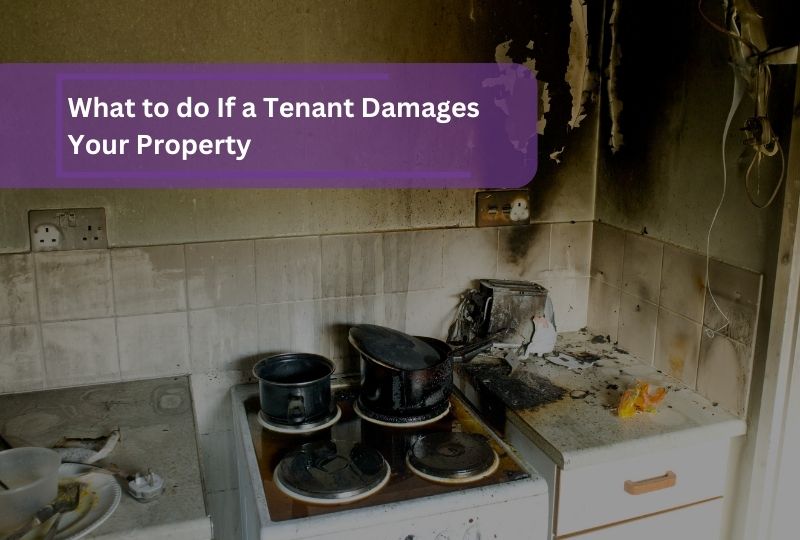
Also Read: How to handle the damages caused by tenants?
4. Set Clear Response Times
Once you’ve categorised maintenance requests based on the level of urgency, the next step is to specify response times for every type of request. Tenants want quick responses, and establishing a clear time frame for responding to their concerns helps with expectation management and building trust.
For emergencies, aim for an immediate response, ideally within an hour, to ensure safety and prevent further damage. Emergency calls, such as heating or air conditioning failures, must be addressed within 24-48 hours to avoid unnecessary inconvenience. Routine maintenance, such as small repairs or cosmetic issues, can generally be repaired within a week, based on the complexity. Setting these response times gives a more structured and organised maintenance procedure, which leads to greater tenant satisfaction.
5. Conduct Inspections & Preventative Measures
As a landlord, conducting regular property inspections and preventative maintenance is key to proactively identifying potential issues before they become major problems. Through regular inspections, you can identify issues early on, reducing the likelihood of unexpected repair demands from tenants. Preventative repair work, such as servicing heating and air conditioning units, plumbing leak and blockage inspections, and assessments of the roofing, walls, and foundations, is used to extend the life of your property’s systems and minimise the need for emergency repairs. By addressing these issues before they become a problem, you can keep your property in top shape and avoid costly, urgent repairs down the line.
Read More: Top 10 Essential Items to Include in Your Landlord Inspection Checklist
6. Follow Up with Tenants
After completing maintenance work, as a landlord, it is important to check up with your tenants to ensure they are satisfied and also clear any issues left. Informing tenants on the status of their requests fosters trust and reduces frustration.
Start by sending acknowledgement messages to verify receipt of their request, inform them of progress, especially if there are delays, and notify them when the issue can be resolved. Always seek feedback to better your tenant relationships and show them that you are concerned about their welfare. By doing this, you will have a positive relationship with your tenants and overall higher satisfaction.
7. Maintain Detailed Records
Keeping proper records of all maintenance work, such as reported issues, actions taken, and completion dates, is essential for any landlord. This documentation is not only important for legal compliance but is also valuable for future maintenance work. To simplify this process, you can try investing in property management software. This modern solution can streamline maintenance operations by automating work orders, assigning tasks to contractors, tracking progress, and maintaining comprehensive maintenance logs. Property maintenance software also enhances communication between property managers and tenants, ensuring timely responses to issues and efficient tracking of maintenance tasks.
Additionally, it enables you to generate reports, analyse trends, and predict recurring issues, which assist you in better planning your finances and managing your property with ease.
8. Build a Network of Trusted Professionals
Building a network of reliable vendors and contractors is crucial for landlords to ensure timely and quality repairs. Make sure you build relationships with trusted professionals—electricians, plumbers, and maintenance providers—whom you can trust for regular and emergency repairs. Long-term contracts with vendors can also save money. Always ensure that repairs are done by qualified individuals to meet safety and legal requirements standards. By relying on experts you trust, you can protect your property’s integrity and offer your tenants a safe living environment.
9. Plan for Long-Term Property Upkeep
A well-planned maintenance strategy is key to keeping your property’s value intact and preventing recurring issues. Identify frequent maintenance concerns and develop solutions to address them efficiently. Set an annual budget for major repairs and replacements, and plan periodic renovations and maintenance options to reduce costs and environmental impact. Taking a proactive approach ensures your property remains in top condition while enhancing its long-term value.
10. Consider partnering with an Agent like Westport Property
Working with an experienced lettings agent can make a big difference to the effectiveness of your property management plan. Letting agents bring a wealth of knowledge, resources, and experience, which can help streamline the process of renting and maintaining your properties. Some of the reasons why working with a lettings agent such as Westport Property would be helpful are:
- Market Expertise: They price your property correctly and find the right tenants.
- Tenant Sourcing & Screening: They conduct tenant selection and background checks, reducing risk.
- Legal Compliance: Letting agents ensure you are legally compliant with rental law.
- Property Maintenance: They organise fast and effective repairs with authorised contractors.
- Less Admin: Agents handle forms, rent collection, and tenant communication.
- Marketing: They gain extensive property exposure to reduce vacancy periods.
- Ongoing Tenant Relations: Lettings agents handle tenant queries, increasing retention.
By employing a lettings agent like Westport Property, you can optimise property management and make it more effective.
In-House vs. Outsourced Property Maintenance: Which Is Right for You?
When it comes to maintaining rental properties in good repair, property managers must decide between two basic approaches: establishing an in-house maintenance team or outsourcing the work to third-party vendors. Both options have their pluses and minuses, so it’s worth weighing the pros and cons before deciding which approach is best for your property management system.
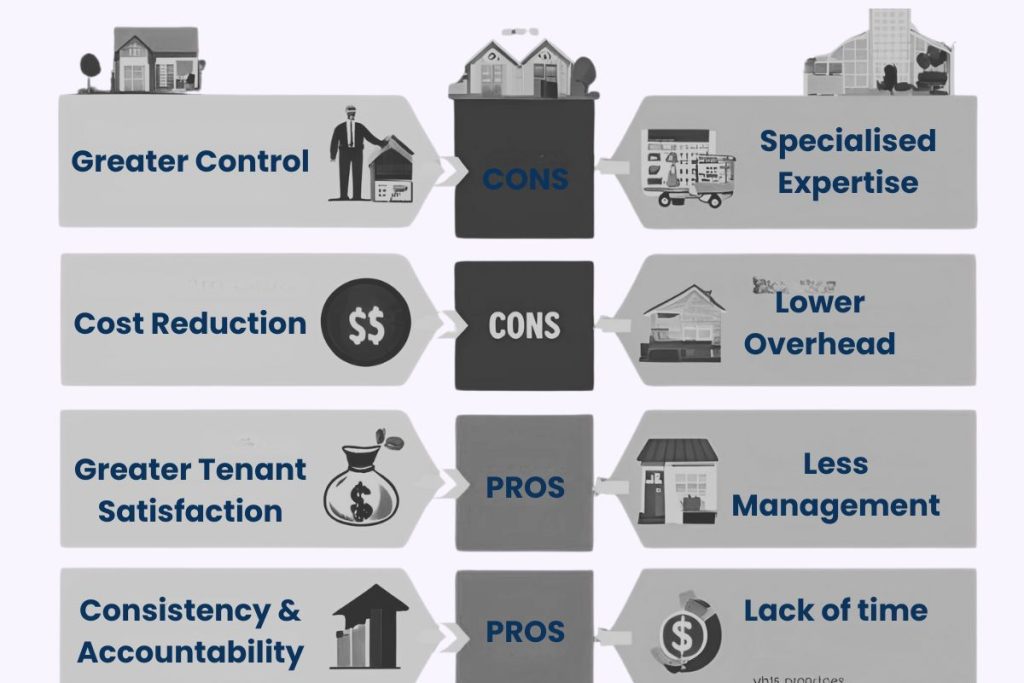
In-House Property Maintenance
- Greater Control: Complete control of scheduling repairs and expenses, providing faster response and flexibility.
- Greater Tenant Satisfaction: Exclusive in-house staff ensures prompt, more uniform service, which enhances tenant relationships.
- Consistency & Accountability: Tight control allows for quality and uniform work.
- Cost Reduction: While up-front setup costs are significant, cost savings over time are gained through the removal of vendor markups.
Having the ability to work with an in-house team, though, is resource-intensive and requires constant monitoring.
Subcontracting Property Maintenance
- Lower Overhead: No salaries or benefits to pay; you only pay for services when needed.
- Specialised Expertise: Vendors deliver professional expertise in a specific field, like plumbing or HVAC services.
- Less Management: No employees or training to handle, freeing up time for other tasks.
However, outsourcing has a reduced level of control over timing and involves spending time finding good vendors.
How Much Should You Budget for Maintenance?
When budgeting for property maintenance in Scotland, aim to set aside about 1-2% of the annual gross income. This should cover things like routine repairs, replacements, and capital improvements. If you’re managing older properties, they’ll likely need more maintenance compared to newer ones. Properties within cities such as Edinburgh and Glasgow can be more expensive due to demand for tradespeople being high. For small houses, allocate £500-£1,000 annually, and for big ones, £3,000+ per annum. Allocate 10-15% for unexpected repairs as well, and don’t forget to inspect regularly so that you don’t have to deal with more serious issues later on. In this way, you can maintain property beforehand, keep your tenants happy, and preserve the property value in the long run.
Final Thoughts:
Successful management of complaints from tenants requires a proper knowledge of legal compliance, communication, and active property management. By adopting these best practices, landlords can ensure that tenants remain happy while still meeting their legal requirements. An organised approach ensures that complaints are resolved rapidly, creating a positive and harmonious renting experience for both tenants and property owners.
Have A Question or Need Some Help?
Whether you're searching for the perfect rental property or a landlord wanting advice on letting, we're here to assist. Feel free to call our office or send us an email, and we'll be happy to help you with any queries you may have.
FAQs:
How do you prioritise maintenance requests?
To prioritise maintenance requests effectively, categorise them based on urgency and impact, assess the risks and consider resource availability. For emergency repairs, like plumbing or electrical issues, address them immediately to ensure the safety and comfort of tenants. Non-urgent problems are scheduled according to their importance and severity, and always make sure to communicate the priorities clearly to everyone involved.
What maintenance should a landlord do?
Landlords are legally required to maintain their rental properties in a safe, habitable condition. This includes ensuring plumbing, electrical, heating, and cooling systems are functional, as well as handling structural repairs, pest control, and regular upkeep of common areas.
Can a tenant refuse access for maintenance?
Tenants cannot unreasonably refuse access for maintenance. Landlords must give at least 24 hours notice before entering for repairs or inspections. Tenants can request a more convenient time, as long as it doesn’t delay necessary repairs.
How should tenants report maintenance or repair issues?
Ideally, tenants should report issues in writing (email, online portal, or maintenance request form). This creates a documented record and ensures clarity for both parties.
Can tenants carry out repairs themselves?
Tenants are generally allowed to handle minor cosmetic tasks, such as changing light bulbs or tightening a loose handle. However, they should not attempt any structural, electrical, plumbing, or gas-related repairs, as these require professional expertise. Attempting such work without approval could lead to safety risks, property damage, or even a violation of the tenancy agreement.
Are landlords responsible for mould or damp issues?
Yes, if caused by structural problems, such as leaks or poor ventilation. If it’s due to tenant behaviour (like not using extractor fans or drying clothes indoors), it may be the tenant’s responsibility — but this must be determined fairly.
Are landlords in Scotland responsible for garden maintenance?
Landlords are typically responsible for providing the tools or arrangements for garden maintenance if it's mentioned in the tenancy agreement. However, general upkeep like mowing lawns may fall to the tenant unless stated otherwise.
 Find a Property Sale/Rent
  Property Management
  Tenant Background Screening
  Asset Management