Finding the right rental property in Scotland can be exciting but it also involves more than just liking how a place looks. Whether you’re a first-time renter or experienced tenant, asking the right questions during a property viewing can save you from unexpected issues down the line. Things like the condition of the property, the terms of the tenancy, included appliances, safety checks, and the neighbourhood all play a key role in making a smart decision.
This renter’s checklist will guide you through the essential questions to ask during a property viewing. By covering each of these areas, you’ll be better prepared to spot potential issues early, avoid misunderstandings, and feel more confident before signing a lease. Whether you’re renting short-term or long-term, being well-informed makes the process smoother and helps protect your rights as a tenant.
Why Asking Questions at a Rental Viewing Saves You Money and Stress
A property might appear ideal at first glance, but without researching deeply, you can encounter unexpected costs, maintenance issues, or legal complications. By proactively seeking information, you safeguard your interests, ensure compliance with legal standards, and gain clarity on your responsibilities and rights as a tenant. Asking the right questions also shows landlords and letting agents that you are a responsible and thoughtful tenant, potentially giving you an edge over other applicants.
When you ask good questions, you also demonstrate a genuine commitment to taking care of the property and fulfilling your responsibilities as a tenant. It’s not just about protecting yourself; it’s about setting the foundation for a positive relationship with your landlord or letting agent.
Essential Key Questions to Ask When Viewing a Rental Property

1. What’s Included in the Rent and Which Bills Are Extra?
Rent in Scotland can be either inclusive (covering some bills) or exclusive (where you pay all utilities separately). Never assume anything; some properties may include essentials like water and council tax, with exemptions available for students, while others leave all costs to the tenant.
Ask the landlord to list exactly what’s covered. For example:
- Are heating, hot water, or electricity included in the monthly rent?
- Does the property include Wi-Fi or a TV licence?
- Are service charges for building maintenance or communal areas factored into the rent?
If utilities are separate, request an estimate of typical monthly costs based on previous tenants. This helps you calculate your true monthly living expenses and avoid budget shocks.
For example, a flat with poor insulation or an old boiler could have much higher heating costs than expected, even if the rent seems affordable.
2. Can I See the Safety Certificates?
Ensure the landlord provides up-to-date safety documentation, including:
- Gas Safety Certificate: Confirm whether the gas safety check by a Gas Safe engineer (for any gas appliances) is done annually or not, and ask to see the most recent gas safety certificate as proof.
- Electrical Safety Check: Check the details of electrical installations. A qualified and competent person must arrange it every five years (this applies to new tenancies from 1 July 2020 and existing tenancies from 1 April 2021).
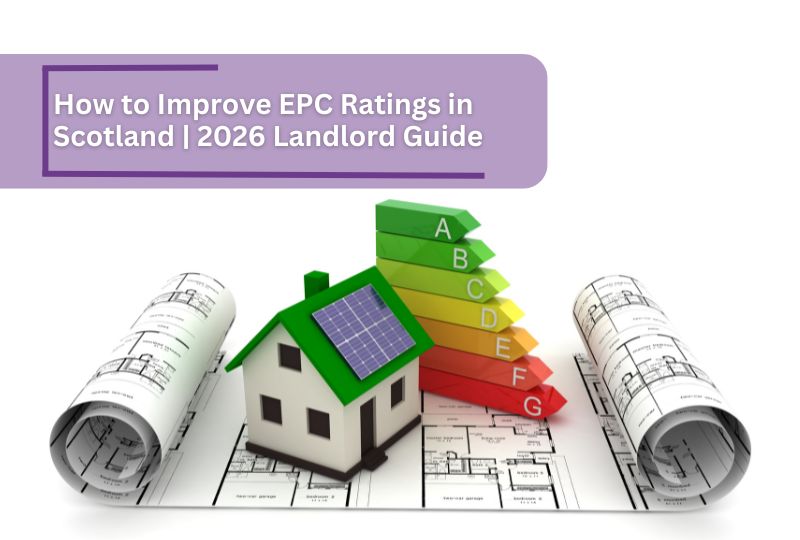
- Energy Performance Certificate (EPC): Ask about the property’s Energy performance certificate (EPC) and ensure the property is at a minimum of energy efficiency band E (unless a valid exemption applies).
- Smoke and Carbon Monoxide Alarm Test Records: Ask when the smoke alarm and carbon monoxide detector were last tested and if there’s a record of it. Confirm who is responsible for testing and maintaining the carbon monoxide alarm and smoke alarm during your tenancy.
- Portable Appliance Testing (PAT): Check that the portable electrical appliances (like kettles, toasters) supplied by the landlord are safe. Ask for proof of recent testing or appliance safety labels.
These documents, or landlord safety certificates, are legally required and crucial for your safety and comfort. Don’t hesitate to ask when each certificate was last issued or whether any recommendations from inspections have been addressed.
In Scotland, landlords must also provide a copy of the Landlord Registration Number, so be sure to request it as well.
If you’re viewing an older property, you might also want to ask whether there’s been any history of asbestos, damp, or structural issues. While these aren’t usually listed in standard safety certificates, this can give valuable insight into potential risks or future maintenance.
3. Is There a Recent Check-In Report or Inventory?
A detailed inventory is a list that shows the condition of the property and what’s inside it when you move in. Checking and agreeing on this list with your landlord can help protect your deposit because it proves what was there and what it looked like at the start, in case there are any problems later.
You can also ask to see photos or videos of the inventory as an added safeguard. Make sure every room, appliance, and piece of furniture is documented; don’t overlook things like curtain poles, blinds, or garden features.
If the landlord hasn’t prepared a professional inventory, take your own photos and share them via email to create a dated record of the property’s move-in condition.
4. What’s the Process for Repairs and Maintenance?
Understand who is responsible for addressing maintenance issues. Ask about the procedure for reporting problems, expected response times, and whether there is a dedicated property manager or property maintenance team. Quick and efficient maintenance support is vital for a comfortable living experience.
Ask if there’s an emergency contact you can call outside normal hours, like evenings or weekends. Also, check if you’re responsible for small repairs, such as changing light bulbs, or if the landlord handles them.
Some landlords offer online portals for reporting issues — ask if you can use one or if you must submit requests in writing or by phone.
5. Is the Property a House in Multiple Occupation (HMO)?
If you’ll be sharing the property with unrelated tenants, it might be classed as a House in Multiple Occupation (HMO). HMOs in Scotland must:
- Have a valid HMO licence
- Meet strict fire safety standards (fire doors, alarms)
- Provide minimum room sizes and shared facilities
Ask to see the HMO licence and confirm it’s up to date. HMOs are inspected more often, but they also have more tenants, so you’ll want to know how communal spaces are maintained.
6. Can I Keep Pets on the Property?
If you have a pet or plan to get one, check whether it’s allowed in the rental property. Some landlords have restrictions on pet types or breeds, and may charge an extra deposit or additional monthly rent to cover potential damage.
Always get written permission in your tenancy agreement for keeping a pet. Without this consent, you could violate your lease agreement and risk eviction.
Questions About the Tenancy Agreement

7. How Long Is the Tenancy, and required Notice Period to end the tenancy?
In Scotland, most tenants since December 2017 are on a Private Residential Tenancy (PRT), which is open-ended. This means you can stay in the property for as long as you like, unless your landlord has a legal reason to ask you to leave.
When it comes to ending the tenancy, you’ll need to give at least 28 days’ notice in writing if you decide to move out. On the landlord’s side, they must give you 84 days’ notice if you’ve lived there for more than 6 months, or 28 days if you’ve been there for less time—and even then, they can only end the tenancy for specific legal reasons.
You may also like: Can a Tenant Leave Before the End of the Contract in the UK?
8. What Deposit Rules Apply in Scotland?
Deposit protection is another key area where Scottish law protects tenants. A landlord cannot charge more than two months’ rent as a deposit.
Within 30 working days of the tenancy starting, they must register your deposit in an approved scheme, such as:
- SafeDeposits Scotland
- MyDeposits Scotland
- Letting Protection Service Scotland
Ask for confirmation in writing that your deposit has been protected. If the landlord tries to charge a “holding deposit” to reserve the property, that’s illegal in Scotland under the Renting Homes (Fees) (Scotland) Act.
Knowing these rules ensures you’re never overcharged and that your money is safe.
9. Are There Any Fees?
In Scotland, most tenancy-related fees have been banned since 2012 under the Rent (Scotland) Act 1984, so a landlord or letting agent cannot legally charge you for things like inventory checks, contract renewals, admin fees, or reference checks.
Also ask whether the landlord will charge you for optional extras like parking permits, key replacements, or cleaning services at the end of the tenancy.
Even though fees are not allowed, some dishonest agents might try to hide extra charges as ‘optional’ costs, so it’s important to stay alert.
10. Can Rent Be Increased During the Tenancy?
Yes, but landlords in Scotland cannot increase rent whenever they want. Under a Private Residential Tenancy, they can only raise rent once every 12 months, and they must give you three months’ written notice.
Ask if the landlord plans any future rent increases. If the property is in a Rent Pressure Zone (RPZ), local councils may cap the amount that rent can rise.
This information helps you plan your long-term budget and avoid surprises.
Related: How often can a landlord increase rent in Private Residential Tenancies?
11. Will I Get Written Notice of Any Changes?
In Scotland, landlords must give written notice, so always ask if you’ll receive notice for any changes to your tenancy. This includes rent increases, changes to the tenancy agreement, or updates to rules around the property, and follows specific notice periods if they wish to end the tenancy.
Getting everything in writing ensures you and the landlord have a clear record of what you agreed. It also protects you and the landlord, so don’t hesitate to ask how and when you’ll be notified.
👉👉 You may also like: Do I Need a Guarantor to Rent?
Utility and Service Questions

12. Are There Water Meters or Smart Meters Installed?
Inquire about the presence of water or energy meters, as they can affect how you’re billed for utilities. Smart meters give more accurate readings and help manage consumption, which can lead to cost savings.
You can also ask whether the previous tenant’s average utility bills were high or low, giving you an idea of likely bills.
If no meters are present, ask how bills are calculated and whether you have any control over usage.
13. What’s the Condition of the Boiler and Heating System?
Ask about the age, type, and maintenance history of the boiler and heating system. An efficient, well-maintained system ensures comfort and can significantly reduce your energy bills, keeping monthly costs manageable.
Consider asking when the boiler was last serviced and whether there’s a maintenance contract in place for repairs. If the property uses storage heaters or older heating methods, ask how they work and what the typical heating costs are.
Also, ask how long it takes to heat the property and whether certain rooms struggle to stay warm in winter.
Security and Insurance Questions

14. What Security Measures Are in Place?
Assess the property’s security features, including locks on doors, windows, smoke alarm systems, and exterior lighting. A secure property not only protects your belongings but also provides peace of mind.
You can also ask if the building has security cameras, a door buzzer, or someone at the front desk. If you’re viewing a ground-floor flat, check whether windows have locks or restrictors.
Also ask the landlord whether they’ve ever had issues with break-ins or anti-social behaviour in the area.
15. Is Contents Insurance Required or Recommended?
The landlord’s insurance usually covers the building, but you must get your own insurance to protect your belongings. It’s a good idea to get contents insurance in case of theft, damage, or loss.
Some landlords might ask for proof that you have this insurance before you move in, so be sure to check if it’s required.
If you own valuable items like a bike, car, or expensive electronics, ask if they need to be listed separately on the insurance policy.
Legal and Correct Contact Details

16. Is the Landlord or Letting Agent Managing the Property?
Determine who will be your primary point of contact for tenancy matters. Knowing whether the landlord or a letting agent manages the property can influence communication and response times for maintenance or other issues.
If it’s an agent, ask for their opening hours, emergency contact details, and preferred methods of communication. A good managing agent can make a big difference in your rental experience.
If the landlord is managing directly, ask how quickly they usually respond to emails or calls, and whether they live locally, or how we can find them.
17. Is the Landlord Registered with the Local Council?
In certain parts of the UK, landlords are required to register with the local council. Confirming this registration ensures that the landlord meets legal obligations and standards.
Ask whether any additional licences apply to the property — for example, selective licensing schemes in some areas apply to all landlords, even outside of HMOs.
You can verify landlord registration online using the local authority’s database.
Moving In and Additional Considerations
18. When Is the Available Move-In Date?
Find out when the property will be ready for you to move in. Understanding the timeline helps in planning logistics and avoiding potential overlaps or gaps in accommodation.
Also, ask whether early access is possible for deliveries or inspections, and what needs to be completed (like professional cleaning or repairs) before you move in.
It’s worth checking whether the property will be professionally cleaned before your tenancy starts — and if so, ask for proof.
Also read: Essential Documents You Need to Rent a Property in the UK (Scotland)
19. Can I Decorate or Make Changes to the Property?
If you wish to personalise the space, discuss any restrictions or permissions required for decorating or making alterations. Obtaining written consent for changes helps prevent disputes and ensures compliance with the tenancy agreement.
Specifically ask if you can put up shelves, repaint walls, hang pictures, or install additional fixtures. Some landlords are happy with minor changes as long as they are reversible.
If you want to bring your furniture or swap out items, ask whether the landlord will store provided furnishings or whether you’ll need to arrange alternative storage.
👉👉 You may also like: Pros & Cons of Renting Furnished vs Unfurnished Properties
Final Checks Before Signing
Before committing to a tenancy, ensure that:
- You have thoroughly reviewed the tenancy agreement, understanding all terms and conditions.
- All safety certificates and legal documents have been provided and are up to date.
- You are aware of all costs involved, including rent, utilities, and any additional charges.
- The property’s condition has been documented through an inventory or check-in report.
- You know who to contact for property maintenance issues and how to report them.
- Also, check what appliances are provided by landlords.
Additionally, visit the neighbourhood at different times of day to assess noise levels, parking availability, and the overall atmosphere, and nearby transport links for commuting. Checking outdoor spaces, nearby natural amenities, and local transport links can help you decide if the location suits your lifestyle. Also don’t hesitate to ask neighbours about their experiences living there.
If possible, check mobile signal strength inside the property and whether broadband connections are reliable in the area.
Conclusion
Viewing a rental property is more than just about its appearance, it’s your chance to ensure the home is safe, legally compliant, and a good fit for your lifestyle. Asking the right questions during the time of viewing the rental property condition and carrying out a thorough evaluation can help you make an informed decision. Taking a little extra time now saves you from unexpected costs and stress later, giving you confidence and peace of mind.
At Westport Property, we’re here to make that process easier. Our experienced team is dedicated to helping tenants find high-quality rental Properties that meet their unique needs. From scheduling viewings to negotiating tenancy agreements, we guide you every step of the way. Contact us today to explore our available properties and find your next home without problem.
Have A Question or Need Some Help?
Whether you're searching for the perfect rental property or a landlord wanting advice on letting, we're here to assist. Feel free to call our office or send us an email, and we'll be happy to help you with any queries you may have.
Frequently Asked Questions
What is a Private Residential Tenancy (PRT)?
A Private Residential Tenancy is the standard rental agreement in Scotland since December 2017. It offers tenants greater security and flexibility, with no fixed term. Tenants can give 28 days' notice to leave, and landlords can only end the tenancy for specific legal reasons.
How can I verify if a landlord is registered?
In Scotland, landlords must register with the local council. You can verify a landlord's registration status through the Scottish Landlord Register online.
Are there restrictions on decorating the rental property?
Decorating policies vary by landlord. Some may allow minor changes like hanging pictures, while others may require the property to remain as-is. Always seek written permission before making any alterations.
What is the maximum deposit a landlord can request?
Landlords can ask for a tenancy deposit of up to two months' rent. This deposit must be registered with an approved tenancy deposit scheme within 30 working days of the tenancy start date.
Can I switch utility providers in a rental property?
Yes, if you are responsible for paying the utility bills directly, you have the right to switch utility providers to find better rates. However, it's advisable to inform your landlord or letting agent before making any changes.
Do tenants pay for gas, electricity, and water separately in Scotland?
In most cases, yes. Tenants are typically responsible for utility bills unless the tenancy agreement specifies otherwise. Always ask which utilities are included in the rent and request average costs from previous tenants if possible.
 Find a Property Sale/Rent
  Property Management
  Tenant Background Screening
  Asset Management