If you’re planning to rent a place in Scotland, your landlord will probably ask for a tenancy deposit. It’s normal to wonder what that actually means, what happens to the money once you’ve paid it, and will the money be refunded or not. These are common questions for most tenants.
In Scotland, the system is designed to be fair for both tenants and landlords. Your deposit isn’t something that disappears into your landlord’s pocket. It’s held safely in a government-approved scheme until your tenancy ends. And as long as you look after the property and pay your rent on time, getting your full deposit back should be simple and easy.
In this guide, you will learn everything you need to know about rent deposit Scotland rules: when you pay a deposit, how your deposit is protected, what it can be used for, and the difference between a tenancy deposit and a holding deposit. By the end, you’ll feel confident about managing your deposit and protecting your rights as a tenant.
What Is a Tenancy Deposit?
A tenancy deposit is a sum of money you pay at the beginning of your rental agreement, usually equal to two months’ rent. It’s essentially a safety measure, giving the landlord some reassurance that any unpaid rent, damage to the property, or additional cleaning costs will be covered if needed.
What makes the system in Scotland fair is that your landlord can’t just keep the money for themselves. It needs to be legally protected in one of the three government-approved schemes, where the money is kept protected until the end of your tenancy period. On top of that, landlords aren’t allowed to add any hidden charges, which makes the whole process transparent and tenant-friendly. There are also strict rules in place to stop landlords from adding extra hidden charges, to make the whole process transparent and straightforward.
As long as you look after the property and pay your rent on time, you’ll get your full deposit back when you move out.
When do you pay a tenancy deposit?
When you rent a flat in Dundee, Broughty Ferry, or anywhere else in Scotland, your landlord or letting agent will usually ask for a tenancy deposit when you sign your tenancy agreement, often before or when you move in.
In Scotland, the deposit cannot be more than two months’ rent. For example, if your monthly rent is £600, the maximum deposit would be £1,200. Paying this deposit is not just about securing your home; it also makes sure your money is safely held in an approved tenancy deposit scheme until the end of your tenancy.
How is a tenancy deposit protected?
Once you’ve paid the tenancy deposit, your landlord has 30 working days to place it into one of the three approved tenancy deposit schemes in Scotland:
These schemes act as a neutral third party, holding your deposit securely until your tenancy ends. Within the same 30-day period, your landlord is also required to provide you with written confirmation that includes:
- The deposit amount and the date it was received
- The date it was paid into the scheme
- The property’s address
- The scheme’s name and contact details
- Conditions under which deductions may be made
- Proof of registration (or application) as a landlord with the local council
These steps are in place to protect you as a tenant and to keep the process fair and transparent. If a landlord fails to follow these rules, you may be entitled to claim compensation potentially up to three times the deposit amount through the First-tier Tribunal (Housing and Property Chamber).
When Is a Tenancy Deposit Not Protected?
In most cases, tenancy deposits in Scotland must be placed in an approved deposit scheme. However, there are some situations where this is not required. These include:
- Living with your landlord and sharing the property with them
- Renting from a family member of the landlord who also lives there
- Staying in student halls or university accommodation
- Renting a holiday or short-term home
- Living in supported housing
- Having an agricultural or crofting tenancy
- Tenancies that last less than a month, where the landlord won’t make any deductions
Even in these cases, it’s still a good idea to get written confirmation of your deposit payment and any conditions for its return. This helps protect your money and avoids misunderstandings later.
What Can Your Tenancy Deposit Be Used For?
Your tenancy deposit is there to cover certain costs if needed at the end of your tenancy. These usually include:
- Unpaid rent or bills: If you haven’t paid all your rent or utility bills, the landlord can take this from your deposit.
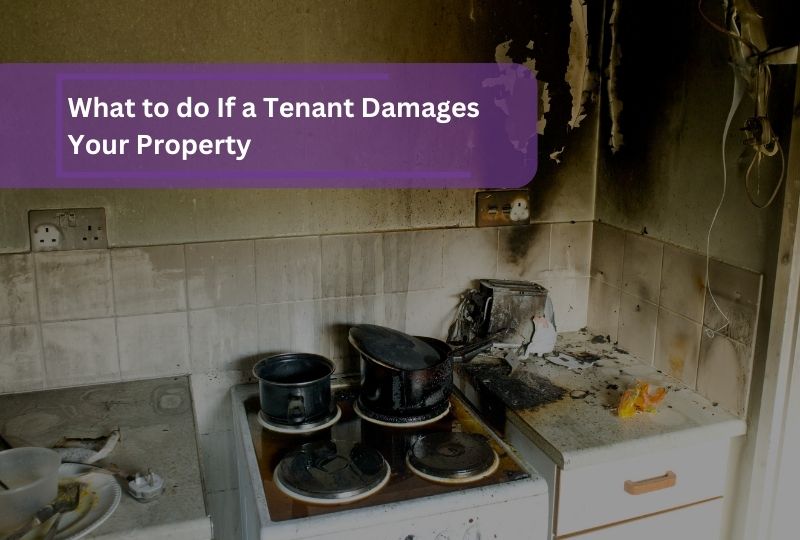
- Property damage: Any damage beyond normal use, like broken windows or stained carpets, can be deducted.
- Missing items: If furniture or appliances listed in the inventory are missing or damaged, their replacement cost may come from your deposit.
- Cleaning costs: If you leave the property in a messy state, the landlord can charge for professional cleaning.
Landlords cannot take money for normal wear and tear. This means small issues like slightly worn carpets, minor scuffs, or faded paint are your responsibility. Taking photos when you move in and out can help prove the condition of the property and protect your deposit.
What Fees Are Not Allowed in Scotland?
In Scotland, landlords and letting agents cannot charge extra fees for starting or renewing a tenancy. This includes:
- Administration fees: For example, credit checks or paperwork.
- Key money or holding deposits: Any upfront fees to “reserve” a property.
- Any non-refundable fees: Any other charges that cannot be returned.
If you are asked to pay these fees, you have the right to ask for a refund. If the landlord or agent refuses, you can take the matter to the First-tier Tribunal or file a complaint against the letting agency for breaking their Code of Practice. Always keep proof of any payments, such as receipts or bank statements, to support your case.
Tenancy Deposit VS Holding Deposit?
A tenancy deposit and a holding deposit are not the same, and it’s important to know the difference.
A tenancy deposit is the money you pay when moving into a property, usually up to two months’ rent, and it’s protected by law in Scotland. It can be used to cover unpaid rent, property damage, or missing items at the end of your tenancy. If everything is in good order, you get the full deposit back.
A holding deposit is a small sum some landlords or agents might ask for to “reserve” a property before signing the agreement. However, in Scotland, holding deposits are not allowed, and any request for one is illegal. If you’ve already paid it, you can claim a full refund even if it was labelled non-refundable up to five years after your tenancy.
In short:
- Tenancy Deposit: Legal, protected, and used to cover costs during tenancy.
- Holding Deposit: Illegal in Scotland and must be refunded if paid.
Understanding this difference helps you avoid unnecessary fees and ensures your money stays protected.
Tips to Protect Your Deposit
Getting your deposit back at the end of your tenancy is much easier if you take a few simple steps from the very start:
- Check the inventory: Your landlord should provide an inventory listing all furniture, appliances, and the property’s condition. Review it carefully, and if there’s no inventory, create one yourself with photos or videos to document the property’s state. This can prevent disputes later.
- Keep proof of payment: Pay your rent deposit via bank transfer for a clear record, and ask for a written receipt or confirmation from your landlord.
- Know your rights: If your landlord doesn’t protect your deposit in a tenancy deposit scheme within 30 working days, you can claim compensation. Use a letter template to ask your landlord which scheme they’ve used if you’re unsure.
- Take photos: Document the property’s condition when you move in and out. Date-stamped photos or videos can be a lifesaver if disputes arise.
By following these simple steps, you give yourself the best chance of getting your full deposit back and avoiding unnecessary arguments with your landlord.
What Happens at the End of Your Tenancy?
When your tenancy comes to an end, your landlord must return your deposit within 10 days of agreeing on the amount to be refunded. If the property is in good condition and all rent and bills are paid, you should receive the full deposit.
If your landlord wants to make deductions, they must go through the deposit protection scheme, not contact you directly. The scheme will notify you about any proposed deductions, and you have 30 working days to respond and either agree or disagree.
If there’s a disagreement, the scheme offers a free dispute resolution service to help sort it out. Even if you don’t respond immediately, your share of the deposit stays protected in the scheme until the matter is resolved. Keeping records, such as photos of the property, can make this process much easier and help ensure you get your fair share.
Final Thoughts: Rent with Confidence
Understanding how the deposit Scotland system works can really help you to rent with confidence. By knowing your rights, keeping good records, and following simple steps like checking the inventory and taking photos, you give yourself the best chance of getting your full deposit back.
Most importantly, remember that your money is always protected in a registered tenancy deposit scheme in Scotland, and if it isn’t, you have the right to take action.
Renting doesn’t have to be stressful. When you’re informed about how deposits work, you can focus on enjoying your new home instead of worrying about your money.
If you’re looking for expert advice or professional property management in Scotland, contact Westport Property today. We’ll guide you through deposit protection, tenancy support, and everything you need for a smooth renting experience.
Have A Question or Need Some Help?
Whether you're searching for the perfect rental property or a landlord wanting advice on letting, we're here to assist. Feel free to call our office or send us an email, and we'll be happy to help you with any queries you may have.
Frequently Asked Questions
Which is the best tenancy deposit scheme?
In Scotland, there are three approved tenancy deposit schemes: SafeDeposits Scotland, MyDeposits Scotland, and the Letting Protection Service Scotland. All of them are regulated to keep your deposit safe and handle any disputes fairly. So whichever scheme your landlord uses, you can be confident that your money is protected.
What happens if my deposit is not returned within 10 days?
If your deposit isn’t returned within 10 days of agreeing on the amount, you should contact the scheme holding your deposit. They can help resolve the issue. If needed, you can also take the matter to the First-tier Tribunal. Keeping records like photos and proof of payments will help support your case.
Who gets interested in tenancy deposits?
Some tenancy deposit schemes may pay interest on your deposit while it’s held, depending on the scheme’s rules. Usually, any interest earned is added to your deposit when it’s returned at the end of your tenancy. It’s a small bonus, but it’s all part of keeping your deposit secure.
What are my options if my landlord hasn’t protected my deposit?
If your landlord hasn’t put your deposit into a scheme within 30 working days, you should first contact them in writing to ask them to protect it. If they still don’t, you can claim compensation through the First-tier Tribunal, sometimes up to three times the deposit amount. Always keep proof of payments and correspondence, as this helps protect your rights.
What information must a landlord provide to their tenants?
Your landlord must give you written details about your deposit, including the amount, when it was received, the scheme it’s held in, the property address, conditions for deductions, and proof of their registration with the local council. This ensures transparency and helps protect you as a tenant.
What kind of deposits need protecting?
Any tenancy deposit for a rented property in Scotland must be protected in an approved scheme. This includes most residential rentals and covers unpaid rent, property damage, or missing items. Short-term lets, holiday homes, or living with the landlord may not require protection.
 Find a Property Sale/Rent
  Property Management
  Tenant Background Screening
  Asset Management