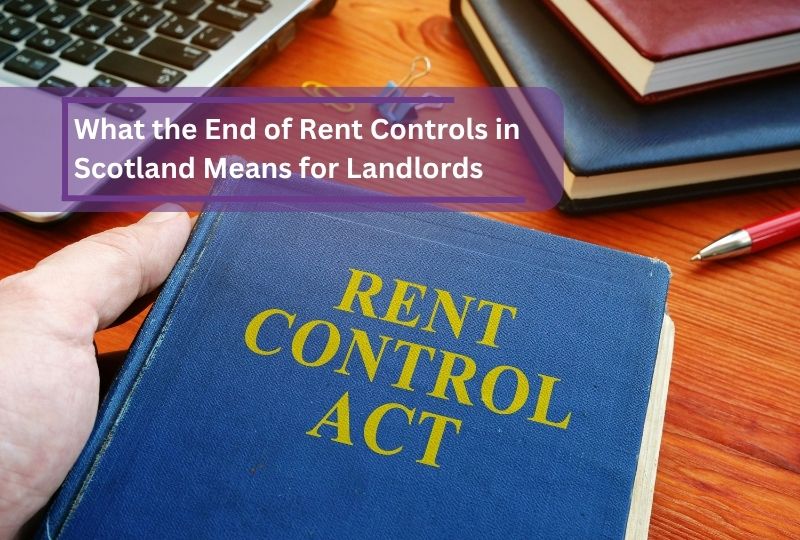
As of 31 March 2025, the 3% rent cap introduced under the Cost of Living (Tenant Protection) (Scotland) Act 2022 has officially come to an end. That means you can finally adjust your rents to reflect true market demand, but this new flexibility comes with additional rules.
If you’ve been waiting for a chance to improve cash flow, invest in property upgrades, or attract higher-quality tenants, now’s the time. But with the Housing (Scotland) Bill and new tenant protections on the horizon, it’s crucial to make smart, informed decisions.
In this blog, we’ll dive into what the end of rent controls means for landlords like you by blending local insights with practical strategies to maximise your returns. From navigating market-driven rents to preparing for tenant appeals through Rent Service Scotland, we’ve got you covered. We’ll share a real-life case study, highlight opportunities like funding property upgrades to meet EPC rating C standards and warn you about challenges like the proposed Rent Control Areas (RCAs) by 2027.
Ready to unlock the full potential of your properties? Keep reading to learn how!
Overview of Rent Control Changes
The Cost of Living (Tenant Protection) (Scotland) Act 2022 was introduced to stabilise the rental market during the cost-of-living crisis. Initially, it imposed a 0% rent increase cap, prohibiting any rent rises for existing tenancies. From 1 April 2023, this was adjusted to allow a 3% cap on annual rent increases, with landlords able to apply for up to a 6% increase in specific cases, such as covering maintenance costs, to balance tenant protections with landlord flexibility. These temporary measures fully expired on 31 March 2025, allowing landlords to adjust rents based on market conditions without the previous caps. However, tenant protections, such as the right to appeal rent increases through Rent Service Scotland or the First-tier Tribunal, remain in place, ensuring rents are set at fair market value.
This transition follows a period of intense debate, with the Scottish Government responding to the housing crisis while balancing landlord and tenant interests. The end of these emergency measures signals a return to market-driven rents, but the Housing (Scotland) Bill, currently under review, proposes long-term rent control measures that could reshape the market by 2027. For now, landlords have a window of opportunity to adjust their strategies, but they must stay informed about upcoming regulations.
How Does the End of Rent Controls Impact Scottish Landlords?
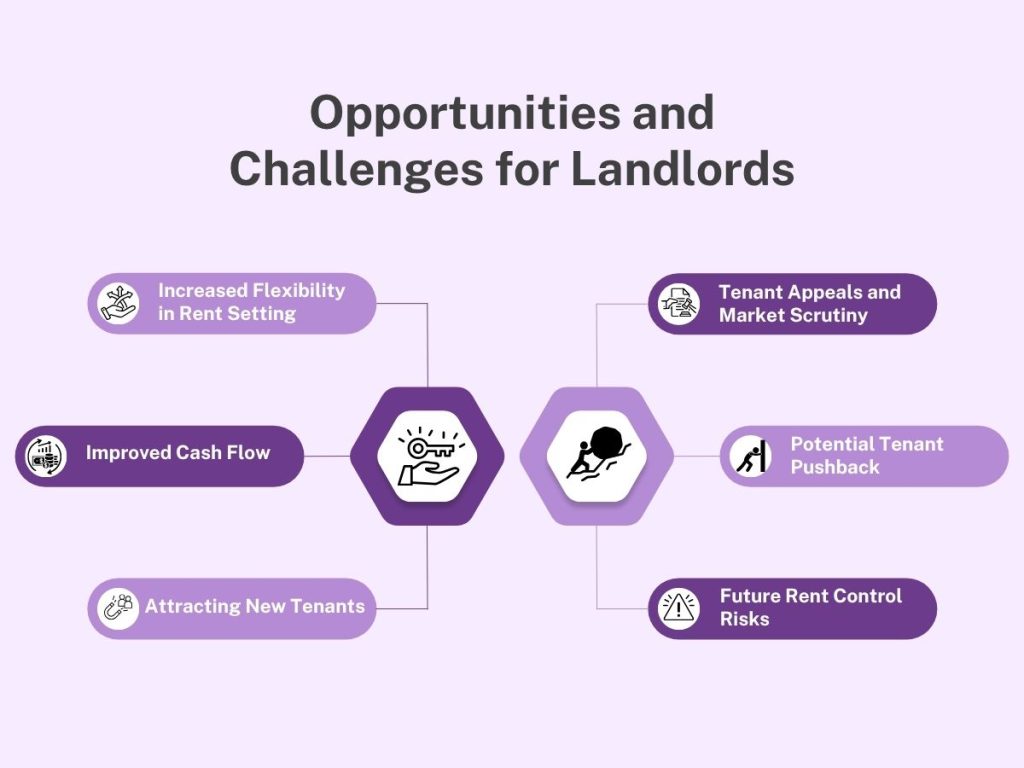
The expiration of rent controls offer landlords with a golden opportunity to align rental prices with the growing market demand, particularly in sought-after areas. The removal of the 3% rent cap allows landlords to recover financial losses from the past few years, invest in property upgrades, and attract new tenants in a competitive market. Yet, with tenant protections and the proposed Housing (Scotland) Bill, careful planning is crucial to maximise returns while staying compliant. Below, we explore the key opportunities and challenges for landlords, tailored to the local market.
Opportunities for Landlords
- Increased Flexibility in Rent Setting
The end of the 3% rent cap enables landlords to adjust rents to match local market rates. In high-demand areas like the West End, where student and professional demand drive rental prices, this is a game-changer. For example, a Dundee landlord recently raised the rent on a two-bedroom flat in Maryfield from £550 to £750 for a new tenancy in 2025, reflecting market value after years of capped increases. This flexibility helps landlords recover losses and fund property enhancements, boosting long-term value. - Improved Cash Flow for Maintenance and Upgrades
With the ability to set market rents, landlords can better cover rising costs like maintenance, energy efficiency upgrades, and mortgage interest payments. In Dundee, where older properties in areas like Blackness often require updates to meet EPC rating C standards by 2028, this extra income is vital. For instance, landlords can now afford to install energy-efficient heating systems, enhancing tenant comfort and property appeal. - Attracting New Tenants
The end of rent controls could make the private rental sector more attractive to investors, potentially increasing the supply of rental properties. This is critical in addressing Scotland’s housing shortage, which emphasises the need for more affordable housing options.
Challenges for Landlords
- Tenant Appeals and Market Scrutiny
Tenants can challenge rent increases through Rent Service Scotland or the First-tier Tribunal, which will set rents based on open market value. Unlike previous processes, the tribunal may approve a higher rent than proposed if it aligns with market rates, adding uncertainty for landlords. - Potential Tenant Pushback
Rapid rent increases could strain landlord-tenant relationships, especially in areas with high demand and low affordability. Rapid hikes could lead tenants to feel priced out, particularly students and low-income renters, who were hit hardest during the rent control period. - Future Rent Control Risks
The Housing (Scotland) Bill proposes permanent rent controls in designated Rent Control Areas (RCAs), potentially capping rent increases at CPI + 1% (up to 6%) and limiting rent resets between tenancies. This could lock landlords into lower-than-market rents if not adjusted before 2027. Landlords must act strategically now to avoid long-term financial constraints.
Related: Explore our landlord compliance checklist.
Case Study: Navigating the End of Rent Controls in Dundee
Case Study: Sarah’s Journey as a Dundee Landlord
Sarah, a landlord with two properties in Dundee’s West End, struggled during the rent control period under Private Residential Tenancies (PRTs). The 3% cap restricted her ability to cover rising mortgage rates and repair costs for her Victorian tenement flats. In April 2025, post-rent controls, Sarah increased the rent on one flat from £650 to £900 per month, aligning with market rates for similar properties near Perth Road. She invested the additional income in double-glazed windows, achieving an EPC rating of C to meet future standards.
However, her second tenant in Broughty Ferry appealed a 12% rent increase. The First-tier Tribunal analysed local market data and set the rent at £850, slightly above Sarah’s proposal, highlighting the importance of understanding Dundee’s rental trends. Sarah’s experience shows the value of thorough market research and clear tenant communication to minimise disputes.
Learn more about our property management services to streamline your rental process.
How to Adjust Rents Post-Rent Cap?
To navigate the post-rent cap landscape effectively, landlords should follow these steps:
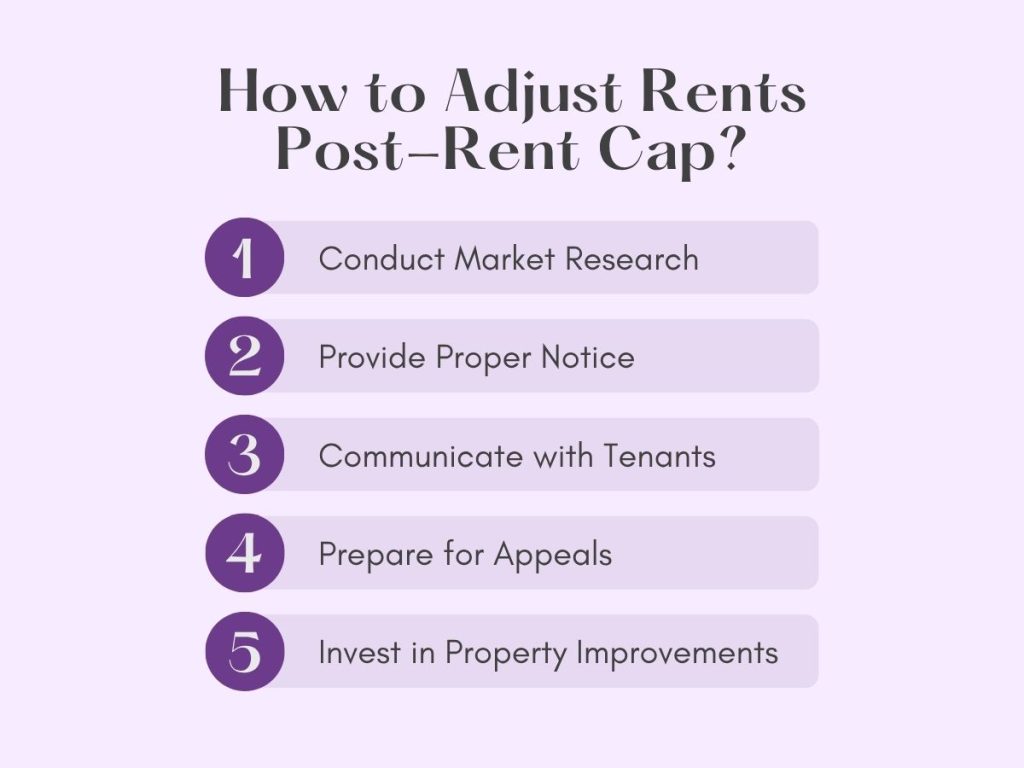
- Conduct Market Research
Use platforms like Citylets or Rightmove to compare rental prices for similar properties in your area. For instance, a two-bedroom flat in the West End averaged £850 per month in early 2025, up from £700 in 2023, reflecting market growth. - Provide Proper Notice
Under the Private Housing (Tenancies) (Scotland) Act 2016, landlords are required to provide three months’ notice for any rent increase. Ensure compliance to avoid legal challenges. A landlord in Dundee failed to provide adequate notice, resulting in a delayed increase and lost revenue. - Communicate with Tenants
Transparent communication can reduce disputes. Explain the reasons for rent increases, such as rising maintenance costs or market alignment, to maintain positive tenant relationships. - Prepare for Appeals
Be ready for tenants to refer rent increases to Rent Service Scotland. Ensure your proposed rent aligns with open market values by referencing local data. - Invest in Property Improvements
Use increased rental income to fund upgrades, such as energy-efficient appliances or modern fittings, to enhance property value and appeal. This aligns with upcoming EPC requirements and can attract higher-quality tenants.
Related: How Often Can A Landlord Increase Rent in Private Residential Tenancies?
What Does the End of Rent Control Mean for Scottish Tenants?
For Scottish tenants, the end of rent controls brings both challenges and continued protections as the Cost of Living (Tenant Protection) (Scotland) Act 2022 expired. While landlords in cities like Dundee, Edinburgh, and Glasgow gain the flexibility to set market-driven rents, tenants, especially students near the universities or low-income renters in certain areas, may face higher costs. However, tenant protection ensures fairness, allowing tenants to challenge excessive increases and maintain affordability.
- Right to Challenge Rent Increases: Tenants can appeal rent hikes through Rent Service Scotland or the First-tier Tribunal, which ensures rents align with local market values. For example, a Dundee tenant in Lochee successfully appealed a 12% increase, resulting in a fairer rate based on comparable properties.
- Mandatory Three-Month Notice: Landlords must provide three months’ notice for any rent increase under the Private Housing (Tenancies) (Scotland) Act 2016, giving tenants time to plan or negotiate, protecting against sudden financial strain.
- Energy Efficiency Improvements: The requirement for landlords to meet the EPC rating C by 2028 means tenants will benefit from better-insulated, energy-efficient homes, potentially lowering utility costs.
These protections help tenants, particularly in high-demand areas, avoid being priced out while ensuring access to quality housing. Tenants should stay informed about their rights and engage with landlords to maintain positive rental relationships.
What are the Future Rent Control Plans?
The Housing (Scotland) Bill, currently at Stage 2 in the Scottish Parliament, proposes a national system of rent controls through Rent Control Areas (RCAs). The key features of this bill include:
- Rent Caps in RCAs: Rent increases may be limited to CPI + 1% (up to 6%), even between tenancies, to prevent sharp rent hikes.
- Exemptions: New-to-market properties or those vacant for over 12 months may be exempt, allowing market rents initially.
- Data Collection: The Scottish Government is exploring using the landlord registration system to track rents, aiding RCA designations.
These proposals aim to balance tenant affordability with landlord profitability, but have sparked concerns. Landlords should adjust rents now to align with market rates before potential restrictions take effect in 2027.
Expert Tips for Scottish Landlords
- Work with a Letting Agent
Partnering with a professional letting agent, like Westport Property, can simplify compliance with regulations and market analysis. Our team helped a landlord in Dundee increase their rent by 12% in 2025, aligning with market rates while avoiding tenant disputes. - Monitor Legislative Changes
Stay updated on the Housing (Scotland) Bill through sources like Scottish Housing News. Join landlord forums or associations, such as the Scottish Association of Landlords, for real-time updates. - Invest Strategically
Use this period of flexibility to invest in property upgrades, enhancing long-term value and compliance with future regulations.
Conclusion
The end of rent controls in Scotland offers landlords a unique opportunity to align rents with market rates, improve cash flow, and invest in their properties. However, with tenant protections and the Housing (Scotland) Bill, strategic planning is essential. If you’re managing properties yourself, conducting thorough market research, communicating transparently with tenants, and staying informed about legislative changes are essential to navigate this transition successfully.
At Westport Property, we’re here to support you every step of the way. Whether you need help with market analysis, tenant negotiations, or compliance with new regulations, our expert team is ready to assist. Contact us today to ensure your rental business thrives in Scotland’s evolving market.
Ready to optimise your rental strategy? Book a consultation with Westport Property to navigate the end of rent controls with confidence.
Have A Question or Need Some Help?
Whether you're searching for the perfect rental property or a landlord wanting advice on letting, we're here to assist. Feel free to call our office or send us an email, and we'll be happy to help you with any queries you may have.
FAQs:
Who Benefits the Most From Rent Control?
Long-term tenants in high-demand areas typically benefit the most from rent control. These protections help shield them from sudden and unaffordable rent hikes, offering greater housing stability.
Will landlords be able to increase rent multiple times a year after rent control ended?
No, most tenancy agreements still limit rent increases to once per year. While rent control ended, statutory notice periods and fair market valuation principles still apply, especially in regulated areas.
Are more rent controls coming in the future?
Yes, the Scottish Government plans to introduce permanent rent regulation through the Housing (Scotland) Bill, expected to take effect in 2027. Under this system, rent increases will be capped at the Consumer Price Index (CPI) plus 1%, up to a maximum of 6% annually.
Can local councils still intervene in rent disputes after rent controls are lifted?
Yes, local councils can still investigate rent disputes or unsafe housing practices. Tenants may also refer excessive rent increases to a First-tier Tribunal for assessment of fairness, even in the absence of caps.
Are there tax implications for landlords charging higher rents after rent controls?
Yes, higher rental income may move landlords into a higher tax bracket. It also affects allowable mortgage interest relief and could increase capital gains liability on future property sales.
What legal risks do landlords face when raising rent too aggressively?
Landlords risk tenant disputes, rent repayment orders, or tribunal challenges. Disproportionate rent hikes without market justification may breach consumer protection laws or trigger rent repayment penalties in specific jurisdictions.
 Find a Property Sale/Rent
  Property Management
  Tenant Background Screening
  Asset Management